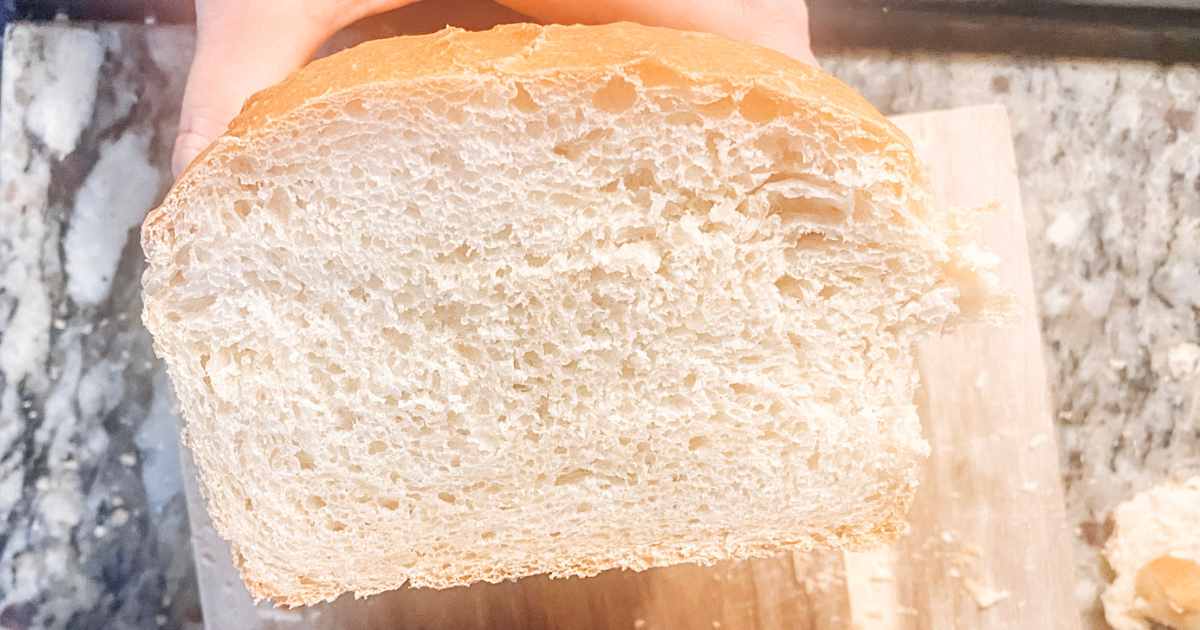
Homemade Bread vs. Store-Bought: The Clean Label Advantage
In a world increasingly focused on health and mindful eating, the humble loaf of bread has become a focal point of discussion. For generations, bread was a staple, baked simply with basic ingredients. Today, supermarket shelves groan under the weight of countless varieties, each promising something different. But when it comes to nutrition and transparency, a crucial question arises: Is homemade bread better for you than its store-bought counterpart? The answer, for many discerning consumers, is a resounding yes, primarily due to what's known as the "clean label advantage."
The distinction between a homemade loaf and a mass-produced one isn't always obvious at first glance. A simple homemade white bread might not seem nutritionally superior to a basic commercial loaf. However, the true power lies in the absolute control the home baker wields over every ingredient and every step of the preparation process. This ability to manipulate the recipe and method is what transforms a basic food into a potentially far more wholesome and nutritious product.
The "Clean Label" Revolution: Ditching Unnecessary Additives
One of the most compelling arguments for baking at home is the ability to create a truly "clean label" product. What does this mean? It signifies bread made from fundamental ingredients, free from the various additives that are often deemed necessary for industrial-scale production, transport, and extended shelf life. Commercial bakeries, driven by efficiency and economics, frequently incorporate a range of substances that simply aren't found in a traditional home kitchen.
Consider the common culprits: chemical preservatives like calcium propionate. This compound is a widespread fungicide, used to inhibit mold growth and significantly extend a loaf's shelf life. While beneficial for distribution networks and reducing waste, it's an artificial addition that home bakers entirely bypass. Homemade bread relies on its natural, albeit shorter, shelf life, or the preservative effects of fermentation, offering a naturally unadulterated product.
Beyond preservation, store-bought bread often includes a cocktail of dough conditioners and emulsifiers such as mono- and diglycerides or DATEM (Diacetyl Tartaric Acid Esters of Monoglycerides). These aren't for nutrition; they're included for structural and textural purposes in high-speed commercial production. They improve dough handling, create a consistent crumb, and keep the product artificially soft for weeks. When you bake at home, your ingredient list for a basic loaf can be reduced to its elegant essence: flour, water, yeast (or sourdough starter), and salt. By eliminating these various additives, you're not just simplifying the label; you're choosing a less processed, more natural food for your family. For a deeper dive into this aspect, read about Is Homemade Bread Healthier? Ditching Additives for Better Nutrition.
Beyond the Basics: Sugar, Sodium, and Nutritional Control
The ingredient control afforded by home baking extends far beyond just avoiding additives. It also empowers you to precisely manage the levels of added sugar and sodium, which are frequently elevated in mass-produced bread. In commercial recipes, sugar often serves multiple purposes: it feeds the yeast, contributes to browning, and enhances flavor. Sodium, beyond its role in taste, also acts as a dough strengthener and a mild preservative. However, some commercial varieties contain levels of sodium and sugar that can contribute significantly to daily intake recommendations, making it challenging for individuals monitoring these aspects of their diet.
At home, the baker is in complete control. You can precisely measure salt to meet taste preferences while keeping sodium levels low, or even eliminate added sugars entirely. Many home bakers find that the natural sweetness of quality flour, especially when combined with a slow fermentation process, provides ample flavor without the need for additional sweeteners. This level of customization allows you to tailor your bread to specific dietary needs or health goals, whether you're managing blood sugar, blood pressure, or simply aiming for a healthier diet overall.
The Magic of Fermentation: Unlocking Nutrients and Enhancing Digestion
Perhaps one of the most significant nutritional advantages of homemade bread, particularly those made with traditional methods, lies in the power of prolonged fermentation. Commercial production, often exemplified by high-speed methods like the Chorleywood Bread Process, prioritizes speed and volume. This industrial method uses intense mechanical mixing and often higher quantities of yeast to produce a loaf very quickly, bypassing the long bulk fermentation time of traditional recipes.
Conversely, traditional homemade methods, especially sourdough or long-rest yeast doughs, involve fermentation periods lasting many hours, sometimes up to 24 hours or even more. This extended, slow fermentation is not just about developing flavor; it significantly alters the bread’s health profile by activating beneficial biochemical processes. During this time, the enzyme phytase, naturally present in the flour, goes to work. Phytase breaks down phytic acid, a compound found in the bran of grains.
Phytic acid, sometimes referred to as an "anti-nutrient," can bind to essential minerals like iron, zinc, calcium, and magnesium, inhibiting their absorption in the human gut. By allowing dough to ferment slowly, especially with a sourdough starter, the phytic acid content can be reduced by a substantial margin—up to 71% in some cases. This reduction frees these vital minerals, making them significantly more bioavailable and easier for your body to absorb. Moreover, the extended rest period can also lead to the partial breakdown of gluten, potentially making the bread easier to digest for some individuals sensitive to it (though not suitable for those with celiac disease).
This process of unlocking minerals and enhancing digestibility is a key reason why many consider homemade, traditionally fermented bread to be far superior nutritionally. To understand more about this fascinating process, explore Unlock Minerals: How Fermentation Makes Homemade Bread Healthier.
Making the Switch: Practical Tips for Your Home Bakery
If the idea of a cleaner, more nutritious loaf has piqued your interest, stepping into the world of home baking is simpler than you might think. You don't need a professional oven or complex equipment to start:
- Start Simple: Begin with a basic no-knead recipe. These often involve minimal effort and long fermentation times, yielding delicious results.
- Experiment with Flours: While white flour is a good starting point, explore whole wheat, spelt, rye, or even ancient grain flours. Each offers unique nutritional profiles and flavors.
- Consider Sourdough: While a bit more involved, cultivating a sourdough starter offers immense rewards in terms of flavor, texture, and nutritional benefits through extended fermentation. Many online resources and communities can guide you.
- Control Your Ingredients: Opt for high-quality flour, filtered water, and good quality salt. Pay attention to how different flours absorb water; sometimes a slight adjustment is needed.
- Storage Solutions: Homemade bread lacks industrial preservatives, so it won't last as long on the counter. Store it in an airtight container, or slice and freeze portions for longer freshness. Toasting from frozen is often ideal.
- Embrace the Process: Baking bread is a sensory experience. Enjoy the aroma, the feel of the dough, and the satisfaction of creating something wholesome with your own hands.
Conclusion: The Unbeatable Benefits of Homemade Bread
So, is homemade bread better for you? The evidence overwhelmingly suggests that when made with intention and traditional methods, homemade bread offers substantial nutritional advantages over most store-bought options. It boils down to control: control over pure, simple ingredients, the elimination of artificial additives and excessive sugar/sodium, and the utilization of natural fermentation to enhance nutrient availability and digestibility. Beyond the health benefits, there's an undeniable satisfaction and superior flavor that comes from baking your own loaf. Making the switch to homemade bread isn't just about eating healthier; it's about reclaiming a traditional craft and bringing a truly nourishing staple back to your table.