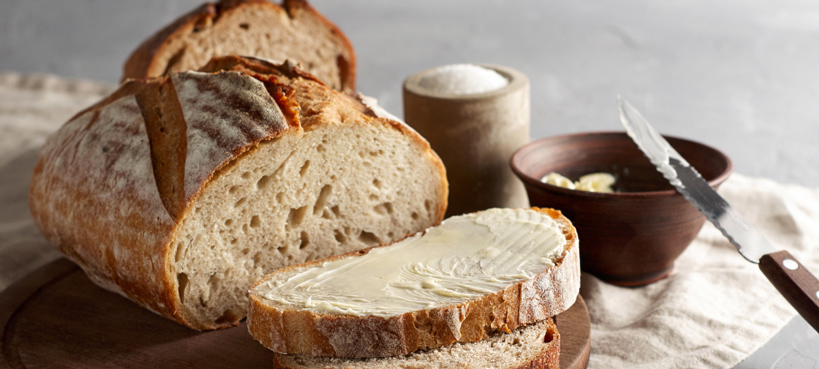
In a world increasingly conscious of food labels and ingredient lists, the humble loaf of bread has come under intense scrutiny. For generations, bread has been a staple, yet today's supermarket shelves groan under the weight of countless varieties, often laden with ingredients many of us can't pronounce. This has led many to ponder a critical question: is homemade bread better for you than its store-bought counterpart? The answer, when you delve into the science and the art of baking, is a resounding yes, primarily because homemade bread empowers you to ditch the unnecessary additives for superior nutrition and health benefits.
The Unrivaled Ingredient Control: A Clean Label Promise
The most significant advantage of baking bread at home is the absolute authority you wield over every single ingredient. Unlike commercial bakeries bound by the demands of mass production, extended shelf life, and uniform texture, home bakers can craft a product with a truly "clean label" – often just flour, water, yeast, and salt. This fundamental control forms the bedrock of homemade bread's nutritional superiority.
Evading Unnecessary Additives: Preservatives and Conditioners
Walk down any bread aisle, and you'll likely encounter a list of ingredients designed for industrial efficiency rather than optimal health. Commercial loaves frequently contain chemical preservatives like calcium propionate. Its purpose? To inhibit mold growth, ensuring the bread survives weeks of transport and storage. While generally recognized as safe, it's an additive you simply don't need in your kitchen. Homemade bread, while having a naturally shorter shelf life, avoids these synthetic compounds entirely, relying on natural preservation methods or simply being consumed fresh.
Beyond preservatives, store-bought bread is often packed with dough conditioners and emulsifiers such as mono- and diglycerides or DATEM (Diacetyl Tartaric Acid Esters of Mono- and Diglycerides). These substances are added to improve dough handling in high-speed machinery and keep the finished product artificially soft for weeks. While they make life easier for commercial producers, they add nothing to the nutritional value and may even raise questions for those seeking a purer diet. By baking at home, you eliminate these industrial aids, letting the natural qualities of your ingredients shine. For a deeper dive into what makes homemade bread stand out from the crowd, explore Homemade Bread vs. Store-Bought: The Clean Label Advantage.
Mastering Sugar and Sodium Levels
Many mass-produced breads contain surprisingly high levels of added sugar and sodium, not just for flavor enhancement but also for their preservative qualities and to aid in the commercial baking process. These elevated amounts can contribute significantly to daily intake recommendations, potentially impacting overall health.
When you bake at home, you become the master of your recipe. You can precisely measure salt to meet your taste preferences while keeping sodium levels low. Similarly, added sugars can be drastically reduced or even eliminated entirely, allowing the natural sweetness of the flour to come through. This level of control is virtually impossible to achieve with most store-bought options.
The Transformative Power of Time: Long Fermentation Benefits
One of the most profound differences between homemade and commercial bread lies in the time dedicated to fermentation. Industrial methods, such as the Chorleywood Bread Process, prioritize speed, using intense mechanical mixing and high quantities of yeast to produce a loaf in record time, bypassing the long bulk fermentation typical of traditional recipes. Homemade methods, particularly sourdough or long-rest yeast doughs, embrace prolonged fermentation, often lasting many hours, sometimes up to 24 hours. This extended period isn't just about developing flavor; it's a biochemical powerhouse.
Unlocking Essential Minerals: The Phytic Acid Story
Long, slow fermentation significantly alters the bread’s health profile by activating beneficial biochemical processes. During this time, the enzyme phytase, naturally present in flour (especially whole grains), springs into action. Phytase breaks down phytic acid, a compound found in the bran of grains. Phytic acid, sometimes dubbed an “anti-nutrient,” has a strong affinity for minerals like iron, zinc, and magnesium, binding to them and inhibiting their absorption in the human gut.
The beauty of prolonged fermentation, particularly in sourdough, is its ability to dramatically reduce phytic acid content—by up to 71% in some studies. This process effectively "frees" these vital minerals, making them much more bioavailable for your body to absorb and utilize. To understand more about this fascinating process, read Unlock Minerals: How Fermentation Makes Homemade Bread Healthier.
Beyond Mineral Absorption: Digestive Ease
The benefits of long fermentation extend beyond mineral bioavailability. The extended rest allows yeast and bacteria (in sourdough) more time to break down complex carbohydrates and some proteins, including parts of gluten, into simpler, more digestible forms. For some individuals who experience mild digestive discomfort from commercially produced bread, traditionally fermented homemade bread can be significantly easier on the stomach. While it's not a solution for celiac disease, many report better tolerance due to this pre-digestion process and the absence of rapid-rise methods that can leave certain compounds intact.
Crafting Your Nutritional Powerhouse: Beyond the Basics
The beauty of homemade bread isn't just about what you leave out, but also what you choose to put in. This is where you can truly elevate your loaf from simply good to exceptionally healthy.
Flour Power: Choosing Your Base Wisely
The type of flour you use forms the foundation of your bread's nutritional value. While a simple homemade white loaf is certainly cleaner than its store-bought equivalent, opting for whole grain flours amplifies the health benefits considerably. Whole wheat flour retains the bran and germ, packing in more fiber, B vitamins, iron, and other essential minerals. Experiment with ancient grains like spelt, einkorn, or rye, which offer unique nutritional profiles and flavors.
Elevating Nutrition with Whole Grains, Seeds, and Nuts
Home baking offers an open invitation to fortify your bread with a bounty of healthy additions. Stir in flax seeds or chia seeds for a boost of omega-3 fatty acids and fiber. Add sunflower seeds or pumpkin seeds for healthy fats, protein, and essential minerals like zinc. Walnuts or pecans contribute healthy fats and antioxidants. Oats can soften the crumb and add soluble fiber. These simple additions transform your bread into a nutrient-dense food that actively contributes to your daily nutritional needs.
Practical Tips for the Home Baker
Embarking on your bread-making journey can seem daunting, but it's incredibly rewarding. Here are some tips to maximize the health benefits and enjoyment:
- Start Simple: Don't feel pressured to tackle sourdough on day one. A basic yeast bread recipe with good quality flour, water, salt, and yeast is an excellent starting point.
- Embrace Whole Grains: Gradually introduce whole wheat flour, or try a 50/50 blend with white flour, to increase fiber and nutrient content.
- Experiment with Fermentation: Once comfortable, try recipes that incorporate longer rise times. Even an overnight cold proof in the refrigerator can significantly enhance digestibility and flavor.
- Be Mindful of Salt and Sugar: Use recipes that call for minimal amounts, or adjust them downward to your preference. Remember, the natural flavors of good flour and slow fermentation don't need much enhancement.
- Add Extras: Don't shy away from seeds, nuts, or even dried fruits (in moderation) to boost nutrition.
- Enjoy Freshness: Homemade bread tastes best fresh. If you can't eat a whole loaf quickly, slice and freeze portions to toast later, ensuring you always have healthy bread on hand.
So, is homemade bread better for you? Absolutely. By taking control of your ingredients, embracing the power of time and fermentation, and thoughtfully selecting nutritional enhancements, you transform a common staple into a powerful tool for better health. It's a culinary journey that rewards not just your taste buds, but your overall well-being. Ditching the additives for wholesome, nourishing ingredients is an investment in your health that truly pays dividends.